
Ballast Water Treatment
What is ballast water treatment?
Ballast water treatment is the process of treating ballast water before discharge to prevent the spread of invasive aquatic organisms between ports and marine ecosystems.
This is achieved using a ballast water treatment system (BWTS), also referred to as a ballast water management system (BWMS). Depending on the system design, treatment may take place during ballast water uptake, discharge, or both.
Modern ballast water treatment systems typically combine filtration with technologies such as ultraviolet (UV) irradiation or electrochlorination to meet ballast water discharge standards and regulatory requirements.
Most commercial vessels operating internationally must comply with regulations established by the International Maritime Organization (IMO) and, where applicable, the United States Coast Guard (USCG). As a result, approved ballast water treatment systems have become a standard component of modern commercial and naval vessel operations worldwide.
How does a ballast water treatment system work?
Most approved ballast water treatment systems follow the same three-step process.
DESMI CompactClean ballast water management system
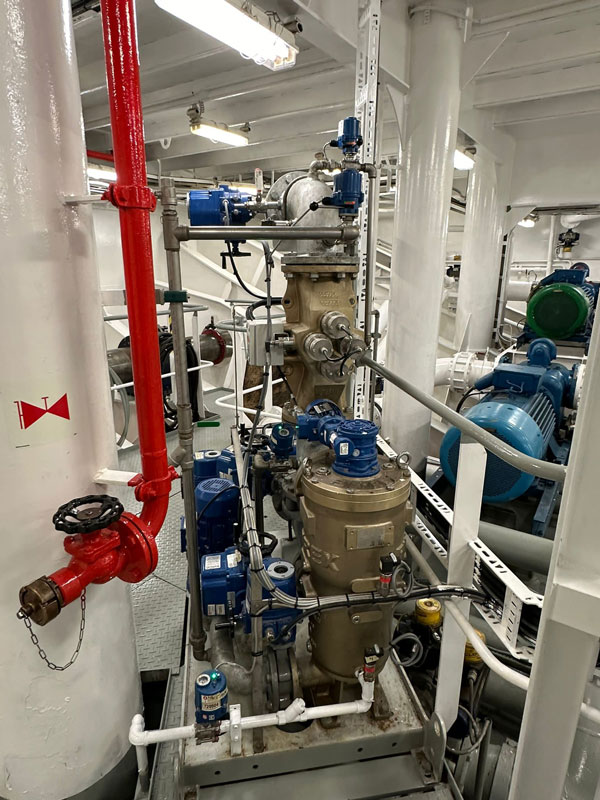
DESMI CompactClean is a ballast water management system (BWMS) designed to help vessel operators meet both IMO and USCG ballast water requirements through a combination of automatic filtration and UV treatment. The system is approved for global operation and is suitable for both retrofit and newbuild projects across a wide range of vessel types.
Unlike chemical-based treatment technologies, CompactClean uses UV irradiation to inactivate microorganisms without generating active substances or requiring chemical storage onboard. This simplifies operation, reduces safety considerations, and eliminates the need for chemical handling during normal operation.
Designed with a compact footprint and automated operation, the system can be integrated into existing vessel layouts while helping crews maintain compliance with minimal operational impact. Its proven technology has been installed on commercial vessels operating worldwide and is supported through DESMI's global service network.


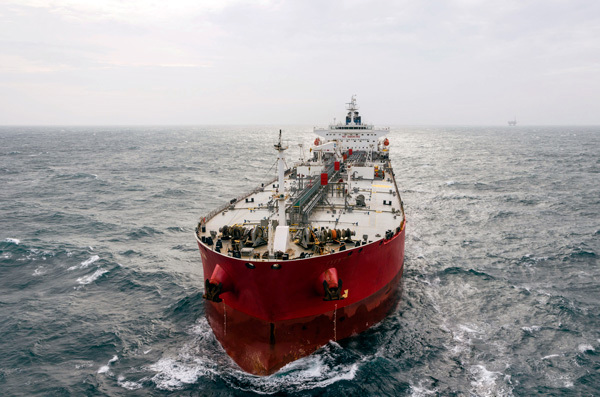
Find the right ballast water treatment system for your vessel
Common vessel applications include:
- Container vessels
- Bulk carriers
- Tankers
- General cargo vessels
- Offshore support vessels
- RoRo vessels
- Passenger vessels
- Cruise vessels
- Naval vessels
- Government and coast guard vessels
With multiple system configurations available, CompactClean can be adapted to different ballast water capacities, installation requirements, and trading patterns.
Ballast water treatment retrofit and newbuild installations
Selecting the right ballast water treatment system is an important consideration for both existing vessels and newbuild projects. Installation requirements can vary significantly depending on vessel type, available space, ballast water flow rates, power availability, and operational profile.
For retrofit projects, compact equipment design and installation flexibility are often critical factors. Many vessel owners seek solutions that can be integrated into existing engine room layouts while minimizing downtime during installation. Early planning can help simplify engineering, reduce modification work, and support a smoother retrofit process.
For newbuild vessels, ballast water treatment can be incorporated from the design stage, enabling system components to be integrated efficiently within the overall vessel arrangement. This provides greater flexibility when optimizing equipment placement, piping layouts, and future maintenance access.
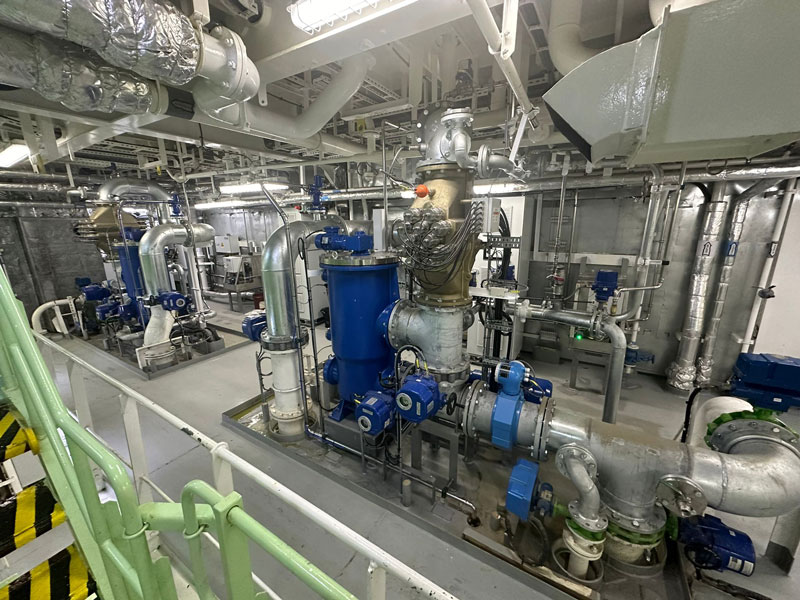
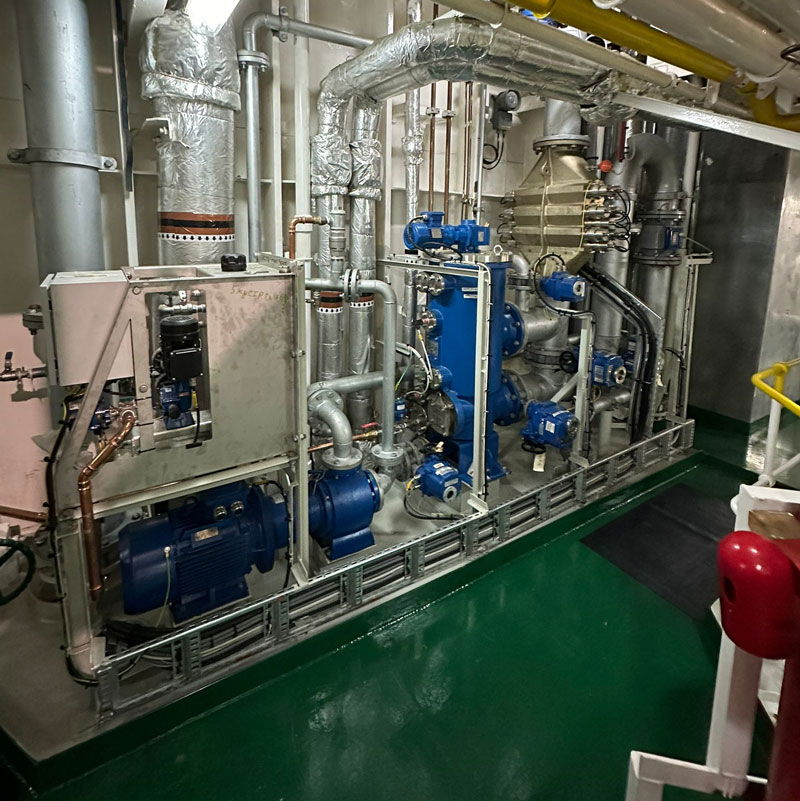
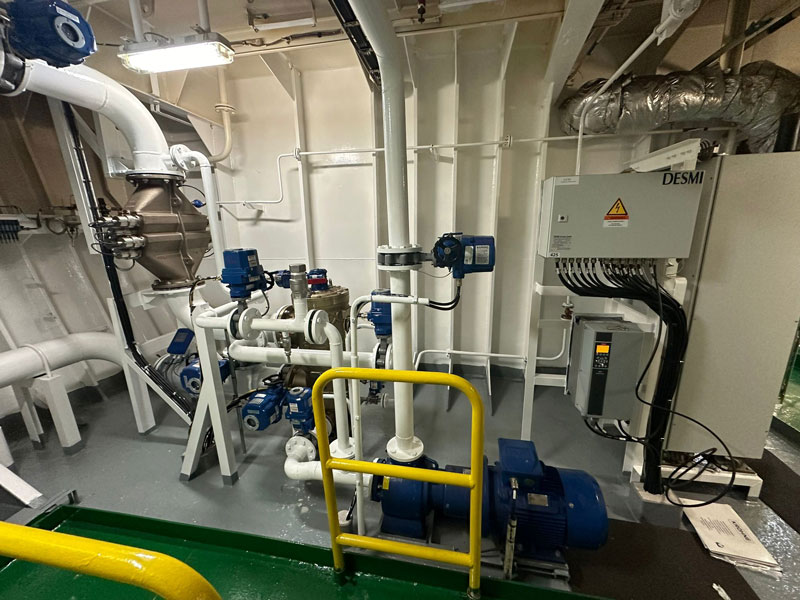
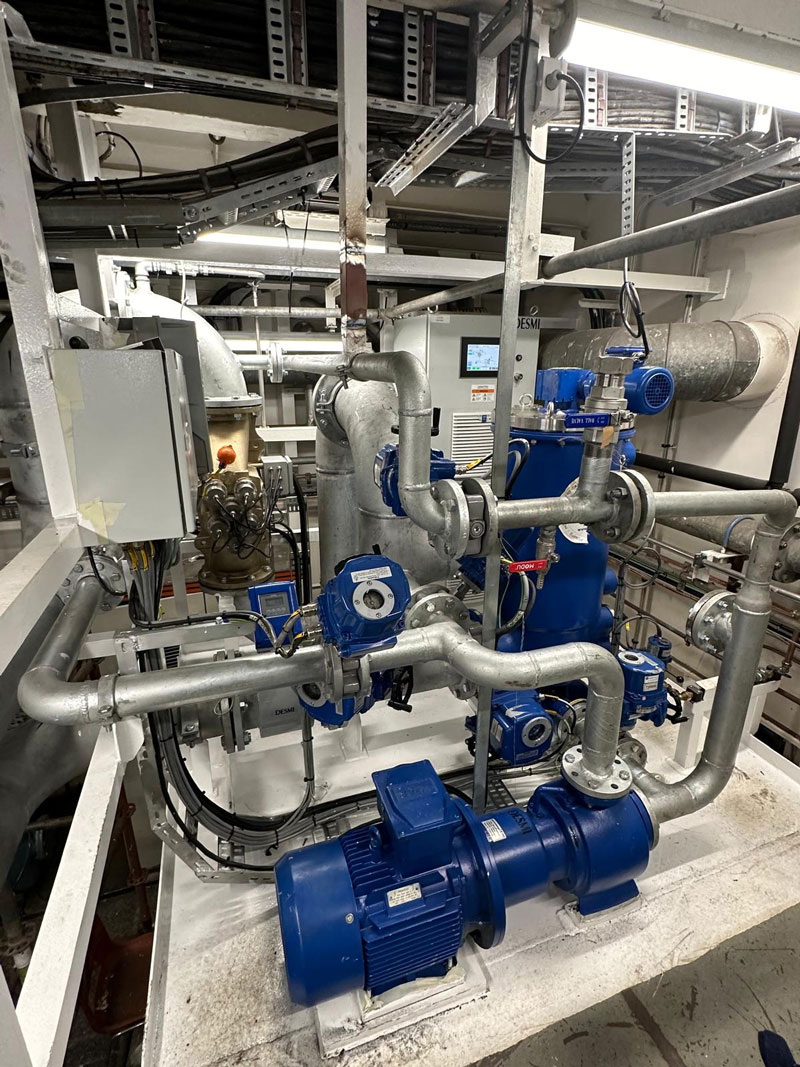
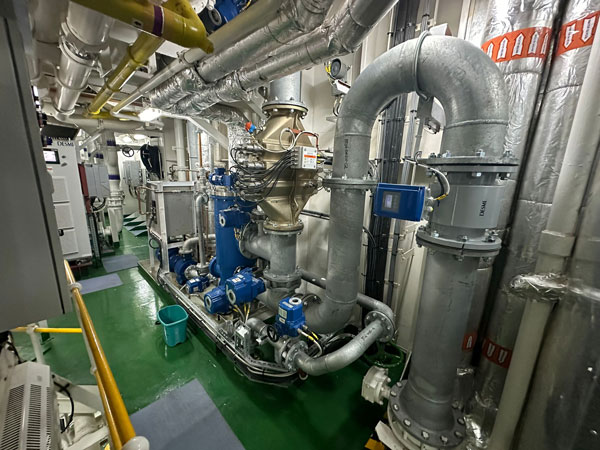
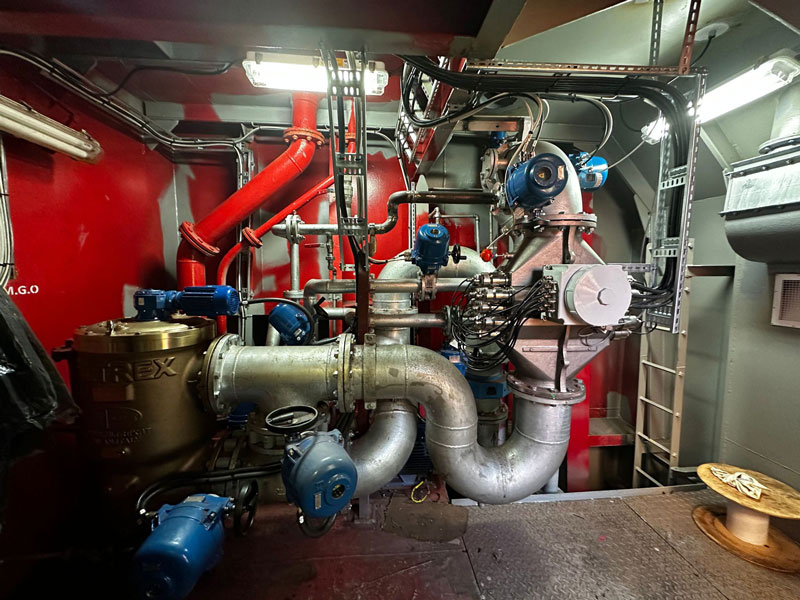
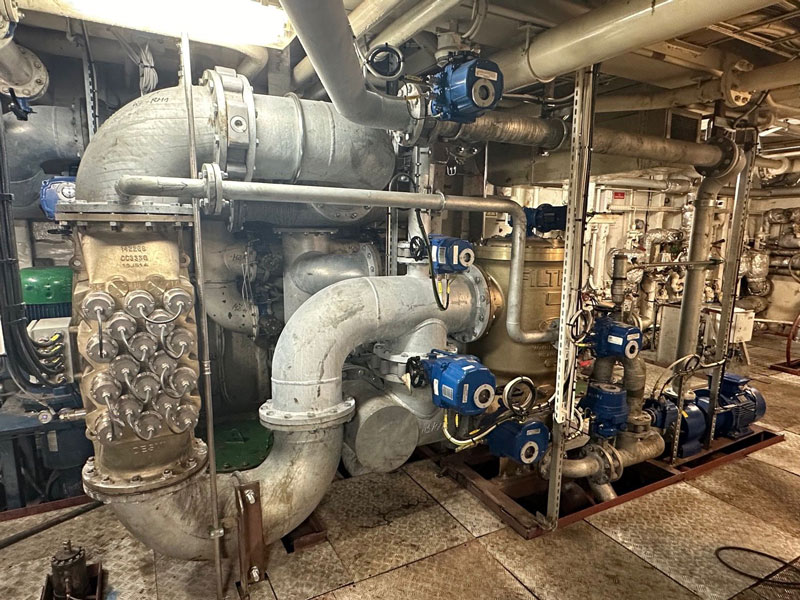
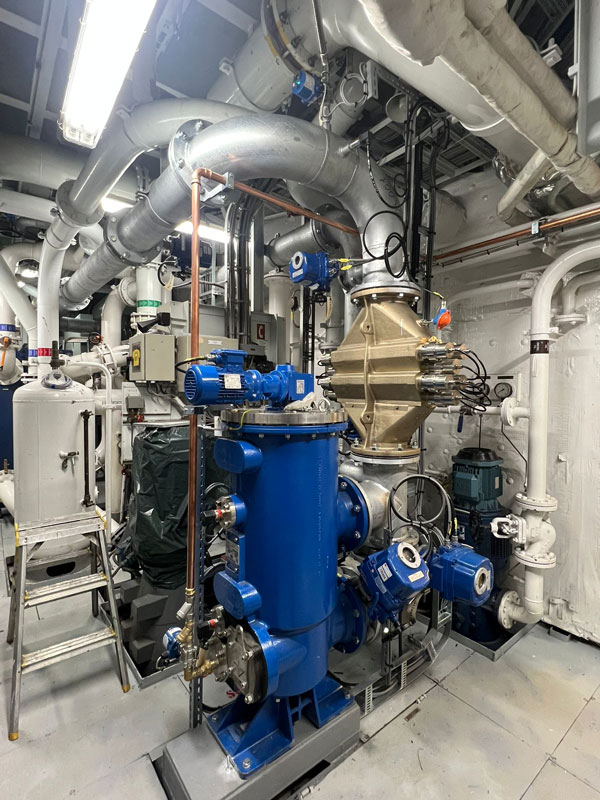
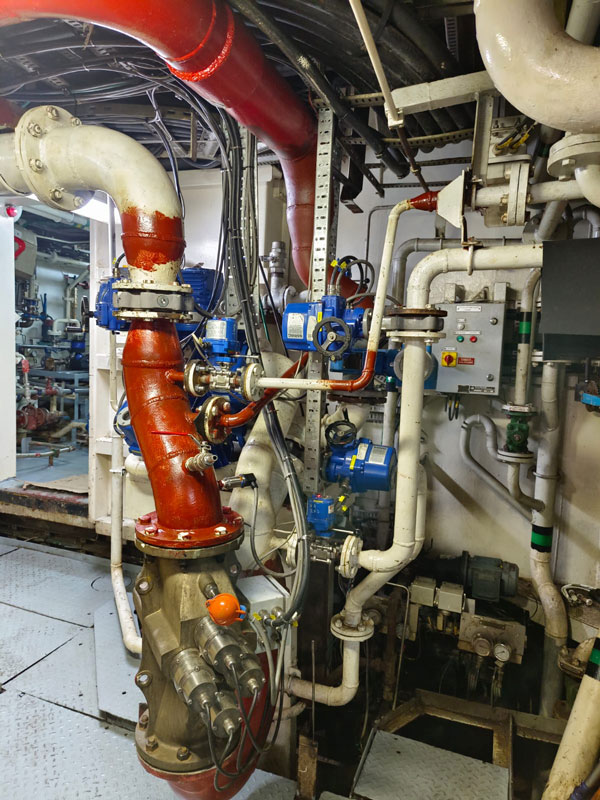
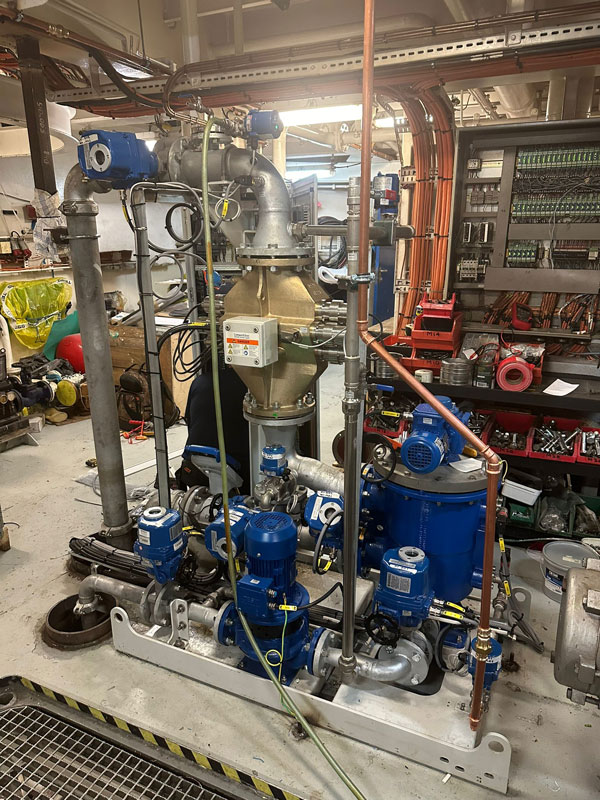
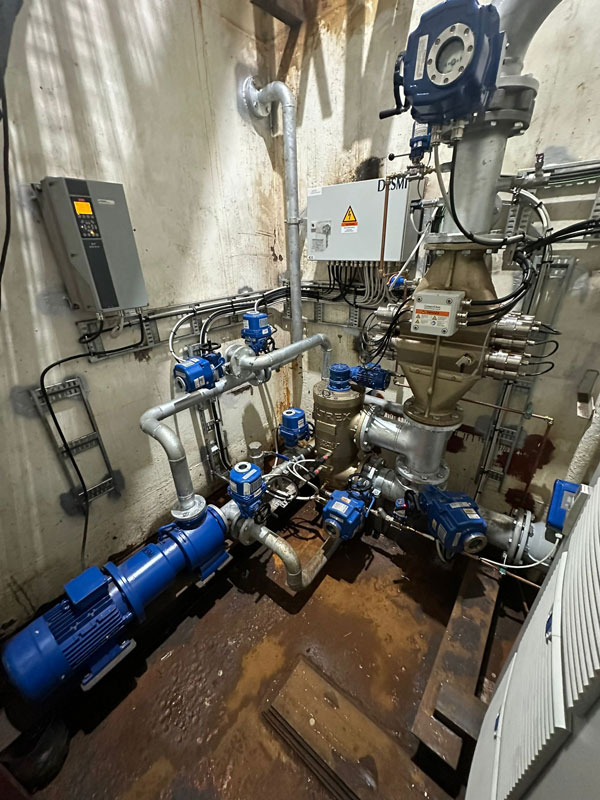
The DESMI CompactClean ballast water management system is suitable for both retrofit and newbuild applications, helping shipowners and shipyards implement a compliant ballast water solution that supports long-term operation and serviceability. The installation examples below illustrate how CompactClean can be integrated across different vessel types, engine room layouts, and system configurations.
Ballast water management customer stories


IMO and USCG approved ballast water treatment system
Ballast water treatment systems installed onboard vessels must comply with the regulatory requirements of the regions in which they operate. For many shipowners, this means selecting a solution that supports both international and U.S. trading routes.
The DESMI CompactClean ballast water management system is approved in accordance with the requirements of the International Maritime Organization (IMO) and the United States Coast Guard (USCG). This enables vessel operators to maintain compliance across major trading regions while simplifying ballast water management onboard.
By supporting both IMO and USCG requirements, CompactClean helps reduce compliance risks, support vessel inspections, and provide a consistent operating approach across global fleets.
Choosing an approved ballast water treatment system is more than a regulatory requirement. It also helps reduce compliance risks, supports vessel inspections, and ensures that ballast water can be managed according to applicable discharge standards in the vessel's trading areas.
With a single treatment technology and global approvals, CompactClean provides a practical solution for shipowners seeking a ballast water management system that can operate across different regions and regulatory environments.
 |
 |
Why choose UV ballast water treatment?
UV ballast water treatment combines filtration and ultraviolet irradiation to inactivate microorganisms without introducing chemicals into the ballast water. By combining filtration with ultraviolet (UV) irradiation, the treatment process inactivates microorganisms without introducing chemicals into the ballast water.
For many vessel operators, UV-based systems provide a straightforward approach to ballast water compliance. As no active substances are generated or stored onboard during normal operation, crews can avoid many of the handling and monitoring requirements associated with chemical-based treatment technologies.
Key benefits of UV ballast water treatment include:
- Chemical-free treatment.
- No onboard storage or handling of treatment chemicals.
- Simplified operation and crew training requirements.
- Suitable for both retrofit and newbuild installations.
- Approved solutions available for both IMO and USCG compliance.
The DESMI CompactClean ballast water management system uses filtration and UV treatment to provide a chemical-free solution for commercial and naval vessels operating worldwide.
Frequently asked questions
What is the difference between a ballast water treatment system (BWTS) and a ballast water management system (BWMS)?
The terms BWTS and BWMS are often used interchangeably within the maritime industry. Both refer to systems designed to treat and manage ballast water in accordance with applicable regulations. While BWTS emphasizes the treatment process, BWMS generally refers to the complete ballast water management solution.
Is ballast water treatment mandatory?
Ballast water treatment is mandatory for most commercial vessels operating internationally under the requirements of the International Maritime Organization (IMO) Ballast Water Management Convention. Additional requirements may apply in specific regions, including waters regulated by the United States Coast Guard (USCG).
How does UV ballast water treatment work?
UV ballast water treatment combines filtration with ultraviolet irradiation. The filtration stage removes larger organisms and particles, while UV light inactivates microorganisms, preventing them from reproducing when ballast water is discharged.
Which ballast water management system does my vessel need?
The most suitable ballast water management system depends on:
- Vessel type
- Trading routes
- Ballast water flow rate
- Available installation space
- Power requirements
- Regulatory requirements
Vessels operating globally often benefit from solutions designed for both IMO and USCG compliance, while vessels trading primarily in IMO waters may have different operational requirements.
Can a ballast water treatment system be retrofitted to an existing vessel?
Yes. Modern ballast water treatment systems can be installed on existing vessels as part of a retrofit project. The installation approach depends on the vessel's layout, ballast water capacity, available space, and power requirements.
Do ballast water treatment systems require chemicals?
Not all ballast water treatment technologies rely on chemicals. UV-based systems, such as the DESMI CompactClean solution, use filtration and ultraviolet irradiation to treat ballast water without chemical dosing during normal operation.
What regulations apply to ballast water treatment systems?
Most commercial vessels must comply with the ballast water requirements established by the International Maritime Organization (IMO). Vessels trading in U.S. waters may also need to meet the requirements of the United States Coast Guard (USCG). Selecting an approved ballast water management system helps ensure compliance across the vessel's operating areas.
What are the different types of ballast water treatment systems?
Common ballast water treatment technologies include UV treatment, electrochlorination, chemical treatment, and hybrid systems. The most suitable solution depends on the vessel's operating profile, ballast water capacity, trading routes, and compliance requirements.
Which ballast water management system does my vessel need?
The most suitable ballast water management system depends on factors such as vessel type, trading routes, ballast water capacity, available installation space, and operational requirements. Vessels operating globally may have different requirements than vessels operating primarily in IMO waters, making it important to select a solution that matches the vessel's trading profile.
What is the ballast water management convention?
The Ballast Water Management Convention is an international agreement established by the International Maritime Organization (IMO) to reduce the transfer of invasive aquatic species through ballast water. The convention sets requirements for ballast water treatment and discharge, making approved ballast water management systems mandatory for many vessels operating internationally.
