
Submarine Pumps
DESMI develops submarine pumps for naval and subsea systems where hydraulic reliability, compact installation, and operational safety cannot be treated as separate priorities. In submarines, support vessels, and other below-waterline installations, pump selection directly affects mission readiness, survivability, onboard safety, and serviceability in confined machinery spaces.
Rather than treating every duty as a standard marine application, DESMI approaches each submarine pump configuration based on the actual operating conditions: medium, suction conditions, required flow and pressure, available footprint, maintenance access, and any defense-specific qualification requirements. This makes it possible to match the pump arrangement to the system function, whether the duty is fuel transfer, bilge dewatering, ballast control, cooling, firefighting, or wastewater handling.
DESMI’s broader defense portfolio includes centrifugal, self-priming, priming, vertical, and horizontal pump solutions, as well as engineered packages where project scope requires a more integrated delivery. For readers evaluating adjacent naval applications, see our pump solutions for navy ships, shock-rated pumps, and after-sales service resources.
Submarine pumps for mission-critical naval and subsea operations
Submarine pumps operate in environments where system failure can affect propulsion support, damage control, stability, cooling capacity, or fire protection. That is why DESMI positions these solutions as engineered pumping systems for mission-critical naval and subsea operations, not as broad, one-size-fits-all products.
In practice, this means the pump must fit both the hydraulic duty and the installation reality. A submarine water pump installed in a compact auxiliary system may have very different requirements from a pump used for ballast handling, diesel transfer, or seawater cooling on a naval platform. Available space, pipe routing, allowable vibration, service access, and survivability requirements all influence the final design.
DESMI draws on long-standing pump expertise across marine, offshore, industrial, and defense applications. For defense customers, the objective is clear: deliver dependable fluid handling under demanding conditions while supporting documentation, configuration control, and lifecycle service throughout the project.
Typical applications for submarine pumps across fuel, bilge, ballast, and cooling duties
Submarine pumps are used across several essential onboard systems. In defense applications, common duties include the transfer and circulation of fuel, diesel, seawater, freshwater, bilge water, ballast water, lubricating oil, hydraulic oil, wastewater, and sewage, provided the selected pump design is matched to the medium and the system requirements.
Typical application areas include:
-
Fuel and diesel transfer for propulsion and auxiliary systems
-
Bilge pumping and dewatering in machinery and service spaces
-
Ballast transfer and control for trim, stability, and loading conditions
-
Seawater and freshwater cooling for engines, generators, electronics, and auxiliaries
-
Firefighting and fire-protection duties, including support functions in water-based systems such as DESMI FineFog™ firefighting systems
-
Wastewater, sewage, sludge, and dirty-water transfer where the pump is selected for the required solids content and fluid properties
-
General service, washdown, and process-water duties on naval and support vessels
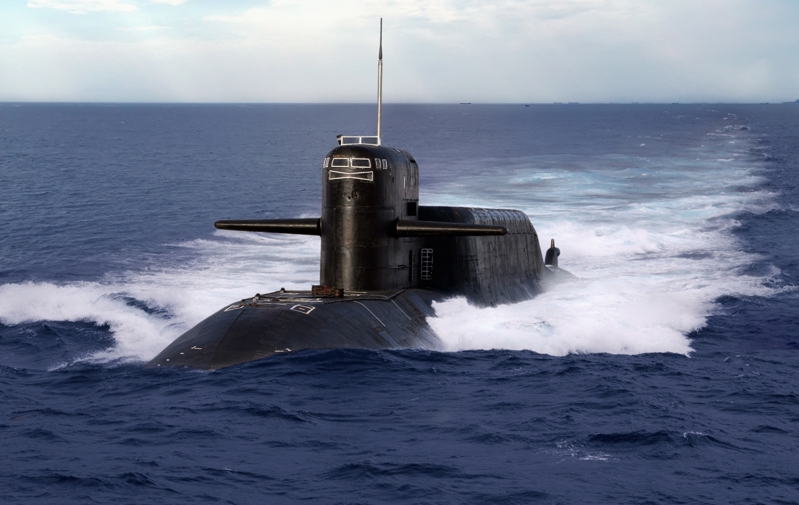
While the primary focus is defense and naval readiness, similar pump technologies are also relevant in selected commercial marine and offshore applications. These may include seawater circulation, bilge removal, ballast handling, cooling-water service, and fuel management on specialized vessels and offshore support assets.
Why pump selection matters in confined and safety-critical machinery spaces
In submarine and naval installations, machinery spaces are often defined by limited footprint, constrained piping geometry, difficult access for inspection, and demanding duty cycles. Under these conditions, pump selection has a direct impact on uptime, maintainability, and operational risk.
A poorly matched pump arrangement can create hydraulic instability, increased wear, insufficient suction performance, or service challenges that become costly once the vessel is in operation. In a confined installation, even basic maintenance tasks may be affected by coupling access, flange orientation, lifting clearance, and the position of surrounding systems.
DESMI therefore evaluates submarine pump selection based on more than nominal flow and pressure. Key decision factors typically include:
-
Required duty point and operating range
-
Available NPSH and suction-side conditions
-
Fluid type, contamination level, viscosity, and temperature
-
Installation orientation and pipe-routing constraints
-
Accessibility for inspection, overhaul, and replacement of wear parts
-
Redundancy requirements and emergency operating conditions
-
Noise, vibration, shock, and signature constraints where specified
For naval operators, shipyards, and procurement teams, the benefit of this approach is risk reduction. The right pump arrangement supports system continuity, minimizes unnecessary intervention, and helps maintain readiness in applications where failure is not simply a maintenance event but a potential safety or mission issue.
Technical design options for submarine pumps and submarine water pump installations
DESMI’s defense portfolio includes multiple configuration paths for submarine pumps and submarine water pump installations. The appropriate arrangement depends on the duty, onboard layout, and project-specific integration requirements.
Relevant design options may include centrifugal pumps for general transfer and circulation duties, self-priming or priming configurations where suction conditions require them, and both vertical and horizontal arrangements depending on space and maintenance access. Vertical configurations are often relevant where machinery-space footprint is limited, while horizontal arrangements may be preferred where pipework and service clearance allow easier access.
Depending on project scope, DESMI can also support engineered packages that combine the pump with selected drive solutions, controls, piping interfaces, and related system elements. This is particularly relevant where the pump must fit into an existing platform design, retrofit envelope, or qualification framework.
Configuration is application-specific. Final submarine pump selection depends on factors such as:
-
Fluid and solids content
-
Required flow and discharge pressure
-
Suction conditions and priming needs
-
Footprint and installation orientation
-
Maintenance access in confined spaces
-
Motor, VFD, and control integration
-
Documentation and defense qualification requirements
For related solution areas, you can also review naval and marine pumping solutions, as well as available product documentation and downloads.
Materials, hydraulic performance, and operating conditions below the waterline
Below-waterline service places high demands on both hydraulic design and material selection. A submarine pump handling seawater has different requirements from one used for diesel, bilge water, lubricating oil, or wastewater. Corrosion resistance, erosion behavior, galvanic compatibility, contamination level, and temperature must all be considered as part of the final specification.
Depending on the application, material options in DESMI’s naval and subsea scope may include stainless steel, NiAlBz, and Super Duplex. These materials are selected according to the medium, pressure level, operating environment, and project requirements rather than applied as a universal standard across the full range.
Hydraulic performance must also be aligned with real operating conditions. Important factors include available NPSH, viscosity, density, fluid temperature, solids content, required flow, differential pressure, and expected duty cycle. Stable performance in demanding marine service depends on selecting a pump that can operate efficiently at the intended duty point without creating avoidable cavitation risk, recirculation, or excessive mechanical loading.
For engineers specifying a submarine water pump, this often means balancing compact design against suction performance and service access. In cooling, ballast, bilge, and fuel systems alike, the most effective solution is the one that fits the hydraulic requirement and the vessel layout at the same time.
Submarine pumps for shock-rated, low-signature, and defense-specific requirements
Some naval projects require more than conventional marine robustness. Depending on the platform and duty, submarine pumps may need to address shock resilience, vibration control, low-noise behavior, or other survivability criteria linked to defense-specific operating environments.
Where specified, DESMI can supply selected configurations in designs tested to relevant naval or defense-oriented requirements. This may be particularly relevant in systems that must remain operational after severe mechanical stress or where onboard equipment contributes to broader survivability and damage-control capability.
Low-signature requirements should also be treated as configuration-specific. In naval platforms where noise and vibration are closely managed, pump selection may involve closer assessment of hydraulic behavior, mounting arrangement, drive selection, and system interaction. These characteristics do not apply automatically to every submarine pump and should be defined at the inquiry stage together with the expected qualification scope.
Typical project inputs for this type of selection include:
-
Shock exposure and survivability requirements
-
Allowable vibration levels
-
Low-noise or low-signature targets
-
Emergency operating requirements after mechanical stress
-
Mounting, alignment, and structural interface conditions
Standards, compliance, and documentation for naval pumping systems
For naval pumping systems, compliance starts with specification clarity. Requirements related to IMO, USCG, SOLAS-related system functions, MIL-based testing, ABS-based testing regimes, and project-specific naval standards should be identified as early as possible in the inquiry process.
DESMI can supply selected pump designs in accordance with relevant marine and defense requirements, but compliance always depends on the exact pump model, supplied configuration, test scope, and documentation package. This is especially important for applications involving bilge systems, ballast duties, cooling circuits, firefighting support, and other safety-critical functions.
Depending on the project, the documentation package may include:
-
Performance curves and technical datasheets
-
General arrangement drawings and interface data
-
Material specifications and traceability records
-
Inspection and test documentation
-
Certificates linked to the defined scope of supply
-
Configuration-specific compliance statements
To avoid delays during procurement, review, and approval, naval buyers and engineering teams should define the applicable classification society, flag-state requirements, naval qualification standard, shock requirement, and document deliverables before final pump selection. DESMI supports this process through technical dialogue and configuration-specific documentation planning.
Service, overhaul, and lifecycle support for submarine pumps
Support after delivery is a key part of the value of any submarine pump installation. In defense applications, serviceability is not only a maintenance issue - it is also part of operational resilience and long-term asset planning.
DESMI supports customers across the equipment lifecycle with technical guidance, inspections, OEM spare parts, overhaul planning, retrofit support, and configuration-specific documentation. This helps operators, shipyards, and service organizations maintain pump performance over time while preserving alignment with the original duty and supply scope.
Lifecycle support may include:
-
Evaluation of operating conditions and installed configuration
-
Inspection planning for wear, corrosion, and hydraulic condition
-
Overhaul support and spare-parts recommendations
-
Retrofit assessments for changed duty or updated system requirements
-
Access to relevant manuals, drawings, and service documentation
With a global organization and more than 190 years of pump experience, DESMI helps customers balance uptime, maintainability, and long-term operating economy. Read more about DESMI service and support.

Proven Global Installations and Project References
DESMI pumps are trusted in naval and offshore operations across the world. References include long-term installations on defense submarines, surface combatants and commercial vessels where operational reliability, reduced downtime and measurable energy efficiency have been demonstrated. Each success story reflects DESMI’s reputation for precision engineering and dependable service in the world’s most challenging marine environments.


