
Why fouling could silently be killing your UV system’s effectiveness
Fouling and lamp degradation are silent performance killers. Continuous monitoring and precise adjustments ensure your system stays efficient without wasting energy or compromising protection
The hidden cost of fouling
Over time, fouling (such as biofilm or sediment) builds up on quartz sleeves, reducing UV output. When this happens, a UV system compensates by increasing power or reducing flow to meet disinfection targets.
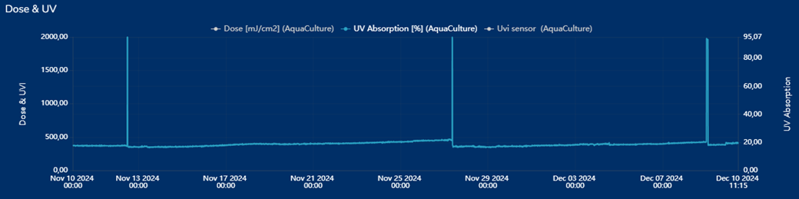
Spikes are CIP cleaning. We can see that the UV absorption slowly increases, and is then “reset” after each CIP.
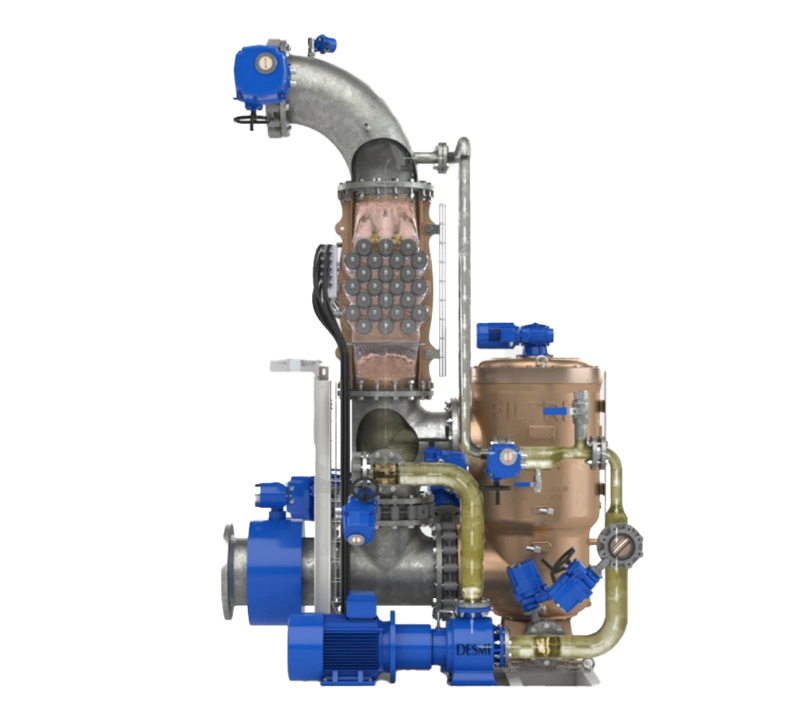
Smarter UV cleaning for healthier, more sustainable aquaculture
With real-time monitoring of UV absorption and automated adjustments, a DESMI UV system can maintain performance without compromise. This technology helps determine when the UV system should run an automated CIP, thereby regenerating lost efficiency.
For instance, a 5% increase in fouling will lead to an increase in energy consumption. If we imagine a farm operating 10 UV systems running 24/7, knowing when to CIP the UV systems could save thousands of kWh annually - translating to significant cost savings and longer system life.
By choosing smarter UV solutions like DESMI AquaShield, you safeguard your operations, optimize resources, and ensure healthier, more sustainable aquaculture practices.
Start protecting what matters today.
Why Cleaning in Place (CIP) works the best |
 |
 |
 |
|
No mechanical moving parts |
Bio safe citric acid |
High efficiency |
At DESMI, we use CIP exclusively to keep our medium pressure UV system clean, rather than relying on mechanical wipers.
Mechanical wipers are commonly used to remove deposits and contamination from industrial UV systems through physical cleaning components. However, DESMI testing identified several challenges related to wear, leakage, and debris buildup - all factors that can impact system reliability and UV performance.
The findings below highlight some of the challenges observed during DESMI’s testing of mechanical wiper solutions in aquaculture applications.
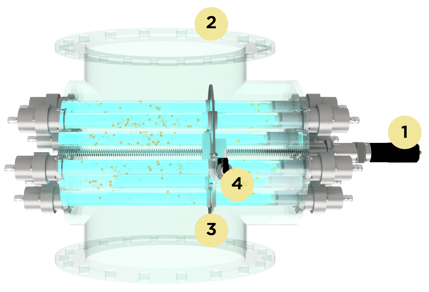
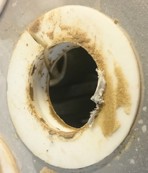
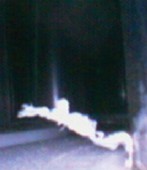
1. Some objects were caught between a scraper ring and a tube. It is material from the Teflon ring, which has somehow worn off the ring.
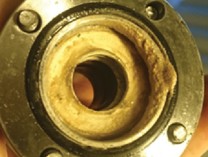
3. After removing the hub, a lot of debris/sand was discovered which is believed to have interfered with the sealing capabilities of the “VR-Seal.” Regarding UV-T measurements as W/m2, they seemed to have fallen to a lower level where almost no dimming was possible/allowed.
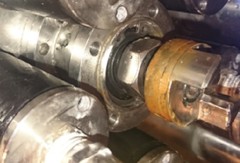
2. When the servo was removed, it was clear that there was water leakage.
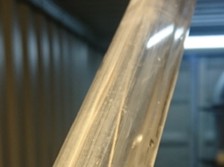
4. On the pulled-out quartz tube for the Mechanical Wipers, there was a milky white layer on the surface. Rings can be seen along its length, signs of the plate “jumping” across the tube.


