
Deepwell & Cargo Pumps
DESMI supplies Deepwell & Cargo Pumps for the safe, efficient marine transfer of liquefied gases and demanding chemical cargoes. Built for shipowners, yards and system integrators working with gas carriers, bunker vessels and chemical tankers, these marine cargo pumps are designed to support reliable handling of LPG, LNG, ammonia, ethylene, CO₂ and compatible chemicals under demanding operating conditions.
As cargo chains evolve, cargo pump selection is no longer only about flow and pressure. It is also about containment, material compatibility, cryogenic capability, maintainability and integration with modern low-emission vessel concepts. DESMI combines long-standing marine pumping experience with proven deepwell pump technology to help operators build cargo handling systems that perform safely today and remain relevant for future applications, including CCS-related CO₂ logistics and green shipping projects.
On this page, you can explore where Deepwell & Cargo Pumps are used, which technical features matter most, and how DESMI supports specification, documentation and lifecycle service. For product-specific information, see the NDW deepwell cargo pump, explore DESMI Marine solutions, or review CCS flow solutions.
Deepwell & Cargo Pumps for safe marine cargo handling
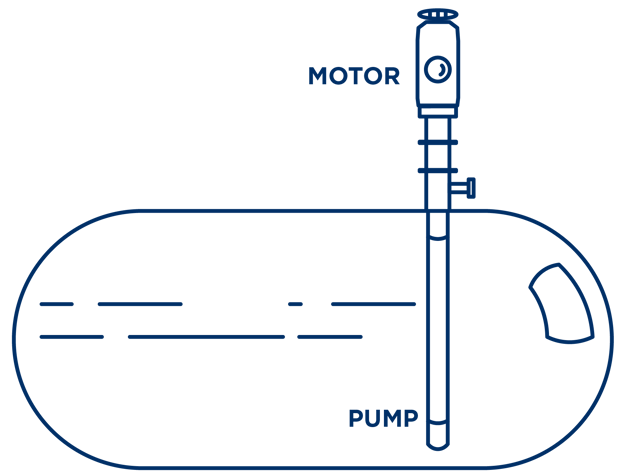
Deepwell & Cargo Pumps are vertical cargo pumps used to load, unload and transfer liquid cargoes directly from cargo tanks in a controlled and efficient way. In marine applications, this pump principle is widely used where cargo characteristics place high demands on safety, suction performance, containment and operational reliability. This includes liquefied gas transport, bunker operations and selected chemical tanker duties.
DESMI offers deepwell cargo pump solutions developed for demanding marine service, including liquefied gases such as LPG, LNG, ammonia, ethylene and CO₂, as well as compatible chemical cargoes. The range is relevant to both conventional gas transport and emerging cargo chains linked to low-emission shipping, onboard carbon capture and carbon capture and storage infrastructure.
For operators and designers, the value of a well-engineered deepwell cargo pump lies in more than cargo transfer alone. The pump must support stable operation across varying tank levels, preserve cargo integrity, fit vessel layout constraints and simplify service planning over time. DESMI addresses these requirements through proven pump hydraulics, robust sealing concepts, material options for cryogenic and corrosive media, and system support for booster duty where terminal conditions require higher discharge pressure.
DESMI Deepwell & Cargo Pumps portfolio for specialised vessel requirements
DESMI’s Deepwell & Cargo Pumps portfolio covers several specialised solution areas for different vessel concepts, cargo types and operating profiles. The range is designed to help shipowners, naval architects and system integrators match pump technology to specific marine cargo handling requirements, whether the focus is conventional gas transport, alternative fuels or low-temperature CO2 transfer.
Main solution areas across the portfolio include:


Marine cargo pumps for gas carriers, bunker vessels and chemical tankers
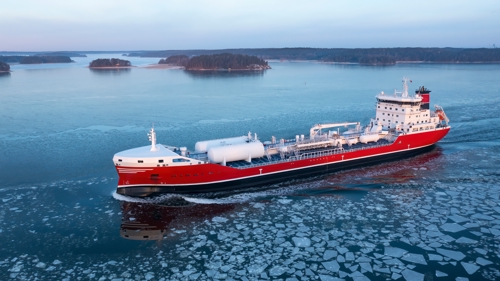
Marine cargo pumps are used across a broad range of specialised vessel types, each with its own cargo profile, temperature range and operating pattern. DESMI deepwell pump solutions are relevant wherever the safe transfer of gas or chemical cargo is a critical part of vessel performance.
 |
Typical vessel and application areas include:
|
In LPG and LEG trades, cargo handling systems must combine strong suction capability with secure containment and robust materials. On LNG bunker vessels and ammonia carriers, temperature conditions and cargo sensitivity place further demands on design and operation. In chemical tanker service, compatibility with corrosive or low-viscosity liquids is often decisive when specifying the right cargo pump configuration.
CO₂ logistics is a growing area in which deepwell cargo pumps are gaining strategic importance. In marine CCS applications, liquid CO₂ may need to be transferred between onshore storage and vessel, or managed in onboard offloading systems. This requires pump designs suitable for low-temperature liquid handling, reliable sealing and service considerations that support practical marine operations.
DesCargo Deepwell Pump (NDW) Video
Electric cargo pumps with efficient suction performance and operational reliability
Electric cargo pumps play an important role in modern marine cargo systems because they support controlled operation, efficient power use and straightforward integration with vessel electrical architecture. In deepwell arrangements, electrically driven pump systems can help shipowners and designers align cargo handling with wider vessel strategies for energy efficiency, emissions reduction and operational flexibility.
DESMI electric cargo pumps are designed to combine dependable transfer performance with strong suction characteristics. In practice, this means stable pump operation under demanding tank conditions, a reduced risk of operational disturbance, and support for efficient unloading or transfer cycles. For liquefied gases and other sensitive cargoes, suction performance is a key engineering parameter because available NPSH can be limited by onboard conditions, cargo properties and system layout.
DESMI places strong emphasis on hydraulic efficiency and NPSH performance across its deepwell cargo pump range. This supports lower power consumption and contributes to reduced operating costs over time, while maintaining the reliability required in gas cargo pump applications. For marine operators moving towards more electrified vessel concepts, electrically driven cargo pumps also fit well with future low-emission design thinking, whether that involves alternative fuels, shore power integration or broader onboard energy optimisation.
Why electric cargo pumps matter in marine systems:
-
Efficient cargo transfer with controlled motor-driven operation
-
Strong suction performance in demanding marine layouts
-
A good fit with low-emission and electrified vessel concepts
-
Reliable day-to-day operation across varied cargo handling profiles
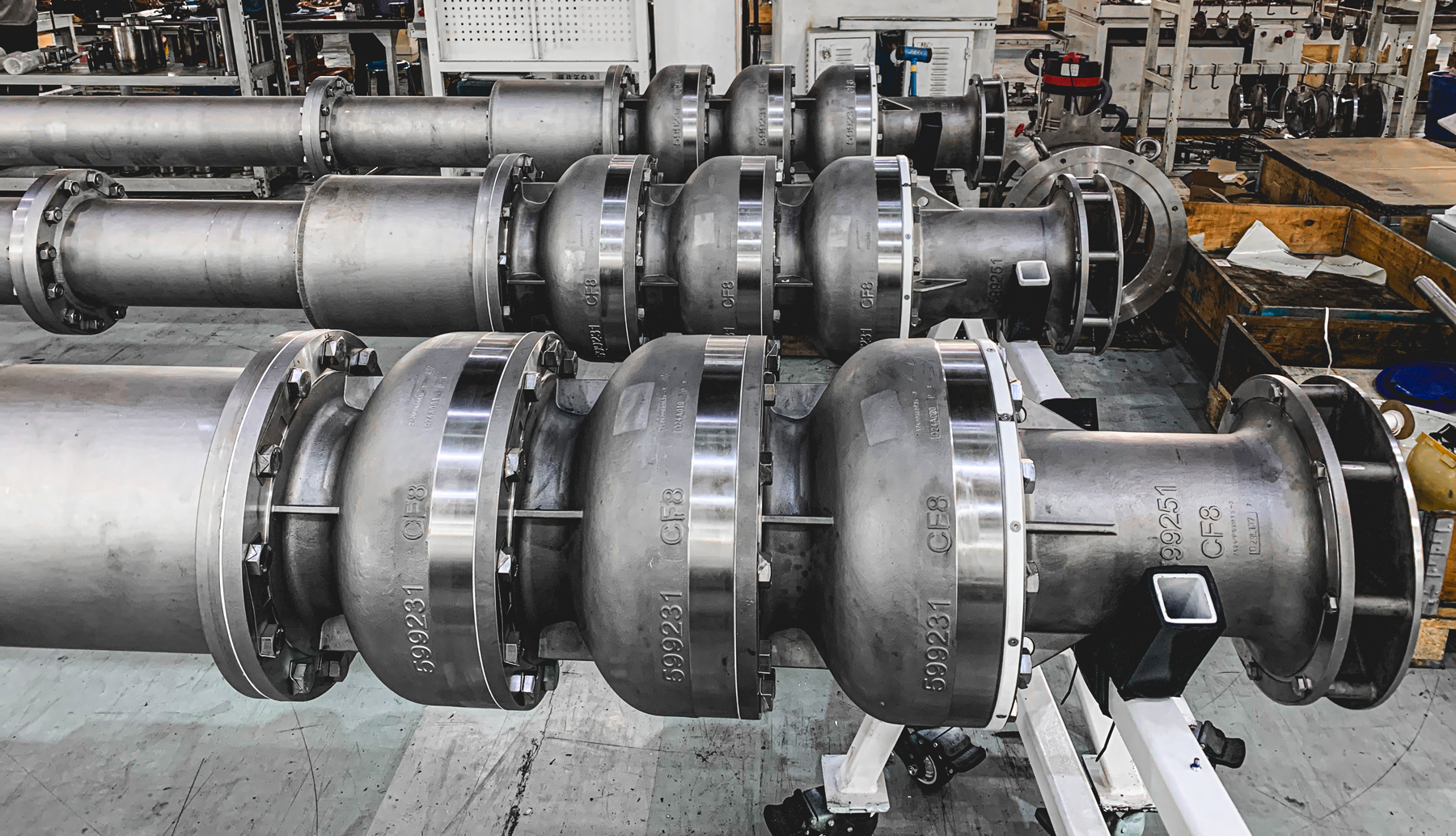
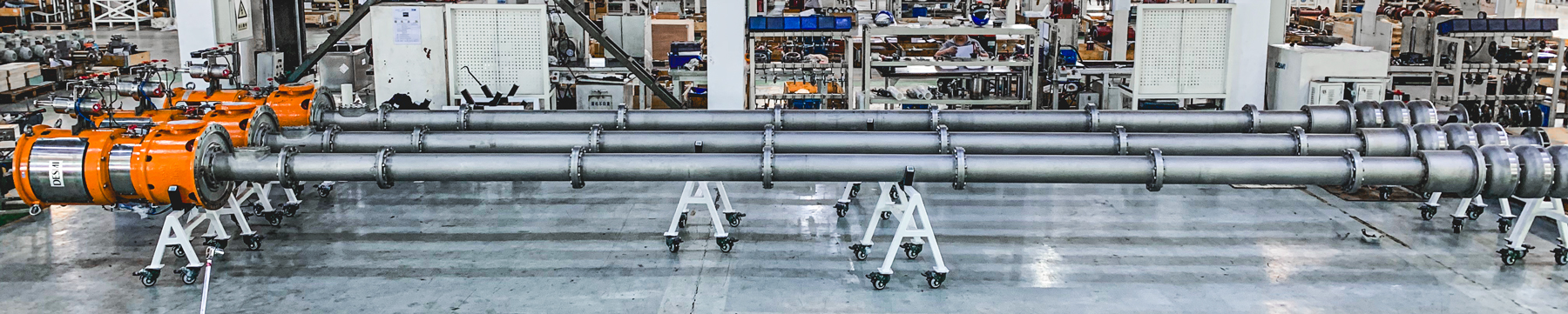
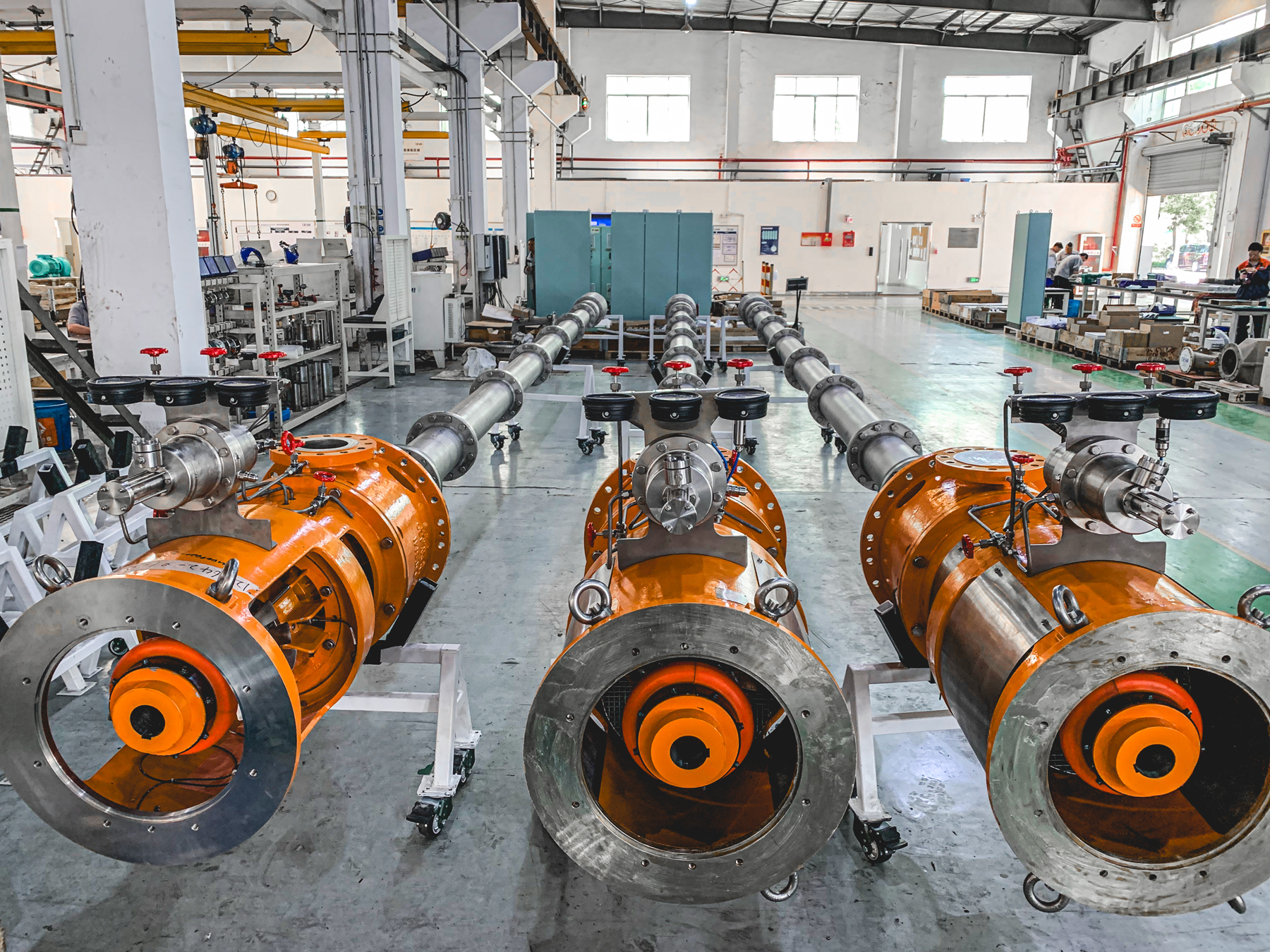
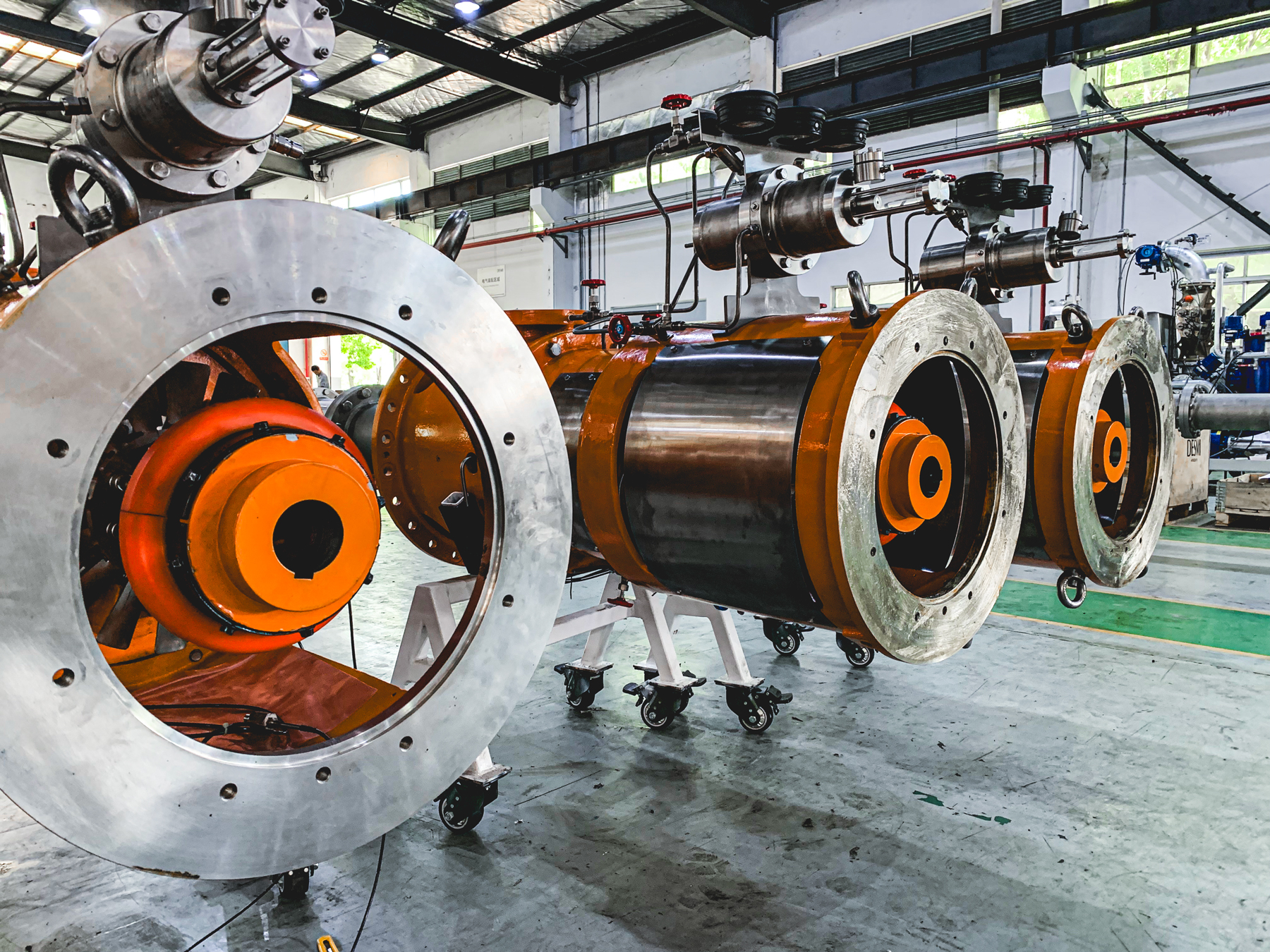
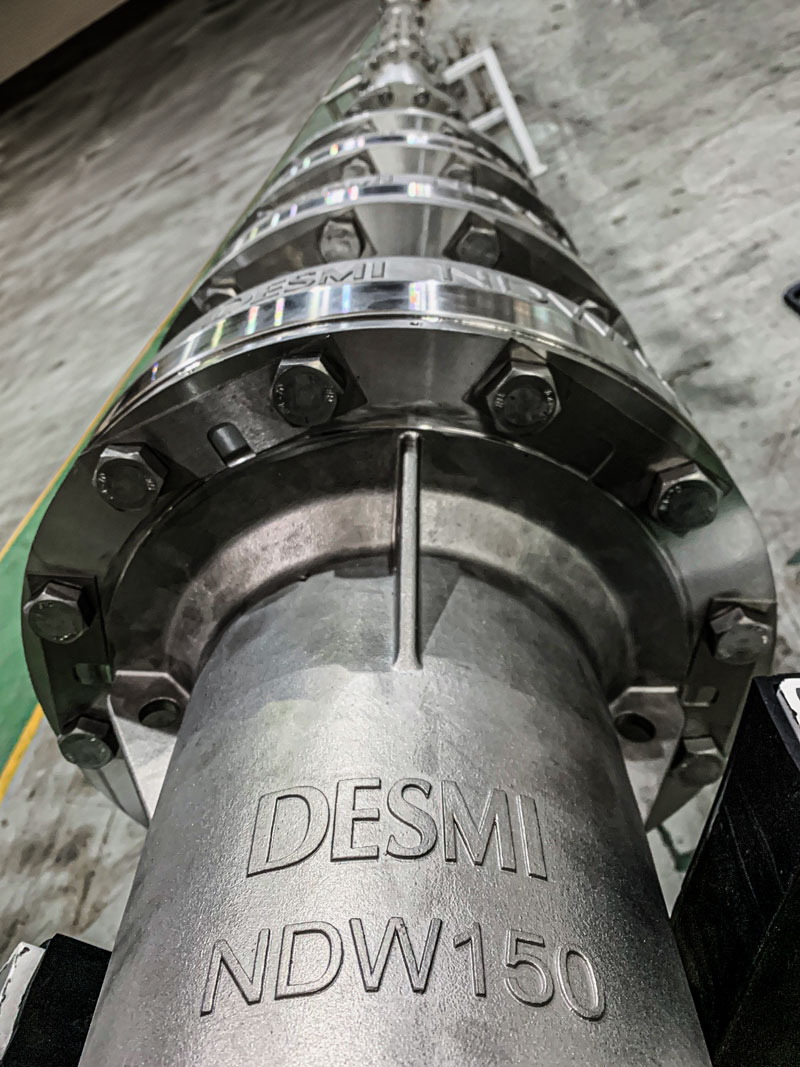
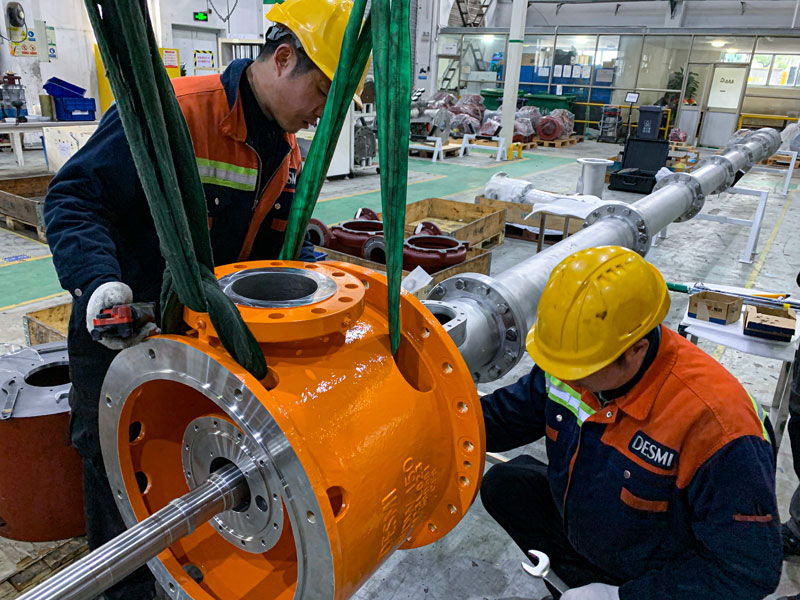
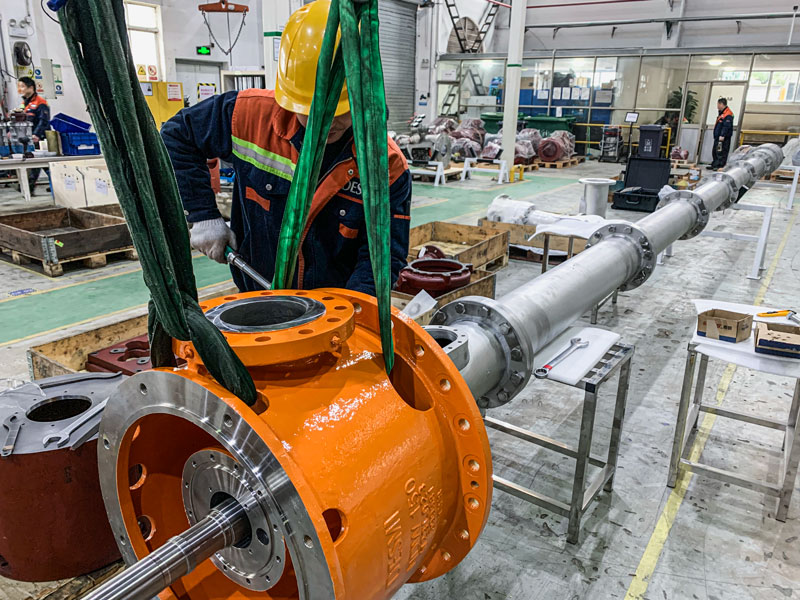
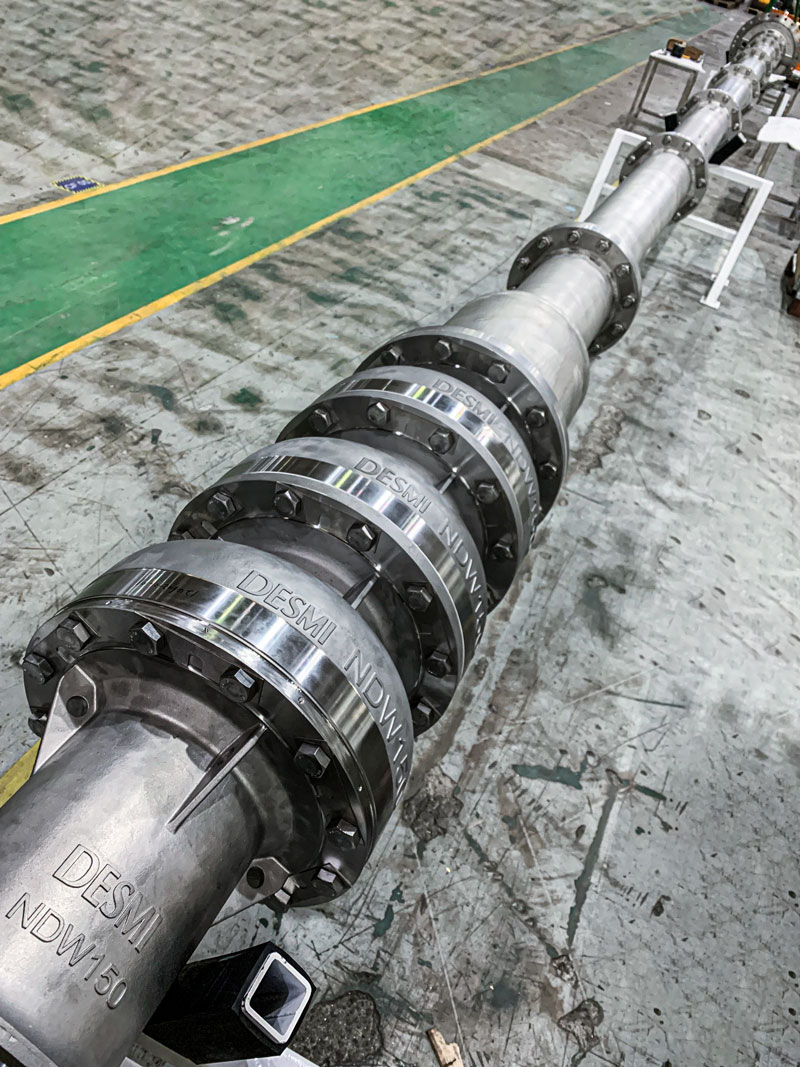
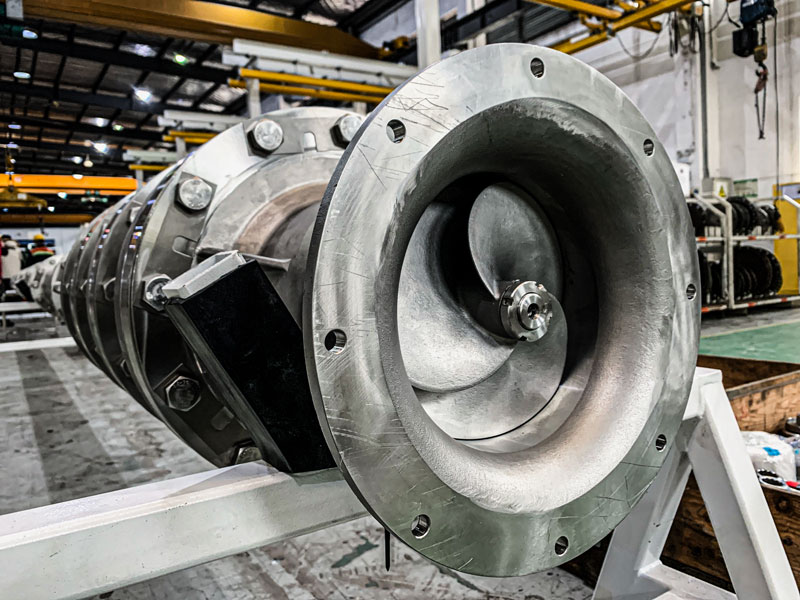
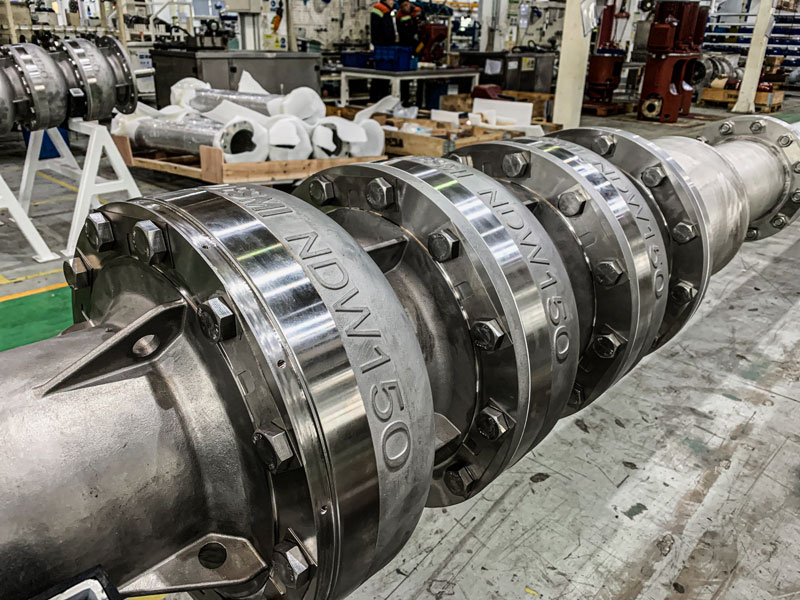
Gallary of DesCargo Deepwell Pumps at DESMI's Production Facilities in China


Deepwell & Cargo Pumps for cryogenic, corrosive and future cargoes
Deepwell & Cargo Pumps used in gas and chemical service must handle a wide cargo spectrum without compromising safety or performance. DESMI positions its range for liquefied gases and chemicals that involve cryogenic temperatures, corrosive behaviour or changing transport requirements over time.
Relevant cargoes include LPG, LNG, ammonia, ethylene, CO₂ and compatible chemicals. These media place very different demands on pump design. LNG and ethylene require cryogenic capability. Ammonia introduces corrosive considerations. CO₂ handling can involve low-temperature liquid service and growing operational demands from carbon transport chains. Chemical cargoes may require specific stainless steel selections or tailored compatibility assessments based on composition, temperature and duty profile.
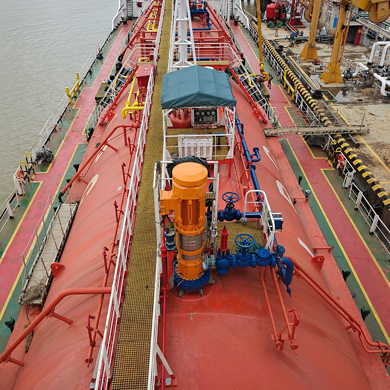

This flexibility is increasingly important as shipping and industry develop new infrastructure around decarbonisation. Liquid CO₂ transport linked to CCS is one clear example. Another is the expected growth in ammonia logistics and bunkering as new fuel pathways mature. In such applications, selecting the right dw cargo pumps solution is not simply a question of matching current cargo data. It also involves evaluating whether the pump arrangement can support future operating scenarios, new terminal interfaces or modified cargo portfolios.
DESMI supports this process with application knowledge, cargo compatibility insight and related deepwell technology for low-temperature service. This includes solutions relevant to CCS flow systems and complementary concepts such as the DESMI canned deepwell pump - CDW for selected low-temperature liquid handling duties.
Robust design features in deepwell pump systems
In marine cargo service, design details have a direct impact on containment, uptime and lifecycle cost. DESMI deepwell pump systems are engineered around practical operating experience and technical features that support the safe transfer of difficult media.
Key design characteristics include a well-proven double shaft seal, a reduced number of impeller stages, robust construction and pump geometries developed for efficient hydraulic performance. The sealing arrangement is particularly important in cargo applications because leakage control and operational safety are central requirements on gas carriers and chemical tankers.
Material selection is another critical factor. Stainless steel material options are available for low-temperature cargoes and specialised chemical requirements. Depending on the cargo and duty, designs can be supplied in materials such as AISI 304 or 316L stainless steel, while cryogenic service down to very low temperatures is addressed through suitable material configuration and design selection. Corrosion resistance, thermal stability and cargo compatibility must always be assessed as part of the total pump specification.
Additional features that support operational resilience include the possibility of rotating the shaft in the opposite direction in the event of ice blocking, as well as design choices intended to simplify installation and maintenance. Altogether, these features help reduce operational risk and support a long service life in demanding marine environments.
-
Double shaft seal for enhanced containment
-
Reduced impeller stages for a more optimised design
-
Stainless steel options for cryogenic and chemical duties
-
Corrosion-resistant construction for demanding cargoes
-
Design features that support service access and uptime
When should Deepwell & Cargo Pumps be combined with booster pumps?
A deepwell cargo pump does not always operate alone. In many systems, the deepwell pump is fully sufficient to lift and transfer cargo from the tank to the discharge line. In other cases, a deck-mounted booster pump is needed to raise total cargo pressure to the level required by the receiving terminal or downstream piping arrangement.
This is particularly relevant when the vessel-side cargo handling line must overcome additional system resistance, longer transfer distances, vapour management constraints or terminal pressure requirements that exceed the deepwell pump’s standalone duty point. In operational terms, the deepwell pump lifts and transfers the cargo from the tank, while the booster pump adds pressure in the deck line where needed.
For engineers and buyers, this means system integration is just as important as individual pump performance. Flow, head, NPSH margin, line losses, differential pressure, cargo temperature and control philosophy should be assessed across the entire cargo handling system. A properly matched deepwell pump and booster pump combination can help maintain stable transfer conditions, support terminal interface requirements and reduce the risk of operating the pump package away from its optimal duty point.
Where higher discharge pressure is part of the project brief, DESMI can support cargo handling system design with both deepwell pump and booster pump input.
How to specify the right cargo pump solution
Specifying the right cargo pump starts with a clear understanding of the application. While flow and pressure remain core parameters, marine cargo pumps for gas and chemical duties also require detailed evaluation of cargo behaviour, vessel layout and maintenance expectations.
Key decision factors typically include:
-
Cargo type - LPG, LNG, ammonia, ethylene, CO2 or a compatible chemical
-
Temperature range - including cryogenic duties and low-temperature operation
-
Corrosiveness and cargo compatibility - influencing material selection and sealing concept
-
Required capacity and head - to match the duty point and transfer time targets
-
Pressure conditions - including terminal interface requirements and possible booster pump duty
-
NPSH conditions - particularly important for low-temperature and low-pressure cargoes
-
Electrical integration - especially where electric cargo pumps are part of a wider vessel architecture
-
Service and maintenance preferences - including access, spare parts strategy and lifecycle uptime
DESMI acts as a technical partner throughout this process. Our engineers support specification work with application knowledge, product selection guidance and technical documentation that helps align the pump concept with the vessel’s cargo handling philosophy. Whether you are working on a newbuild gas carrier, an alternative-fuel bunker vessel or a retrofit linked to CO2 logistics, early technical clarification can reduce project risk and improve long-term operability.

Documentation, service and lifecycle support for marine cargo pump systems
For most operators, the pump itself is only one part of the decision. Documentation quality, engineering support and long-term service access are equally important when selecting deepwell cargo pumps for marine duty. DESMI supports projects beyond the pump package through technical documentation, application input and lifecycle services aimed at maintaining operational reliability over time.
This support is relevant for both newbuild and retrofit scenarios. In newbuild projects, engineering teams often need performance data, dimensional information and system dialogue early in the specification phase. In retrofit or upgrade projects, the focus may be on replacing an existing cargo pump, adapting to modified cargo duty or improving maintainability while limiting operational disruption.
DESMI can support with:
-
Technical product data and performance documentation
-
Application dialogue for cargo compatibility and duty selection
-
Engineering input for integrated cargo handling systems
-
Spare parts support and service planning
-
Lifecycle focus on uptime, maintainability and long-term operating cost
DESMI’s global presence, combined with more than 190 years of pumping technology experience, gives shipowners and project teams access to a partner that understands both technical performance and practical marine service requirements.

FAQ about Deepwell & Cargo Pumps
What are Deepwell & Cargo Pumps used for in marine cargo handling?
Deepwell & Cargo Pumps are used to load, unload and transfer liquefied gases and compatible chemicals directly from cargo tanks. In marine applications, they support controlled transfer in gas carriers, bunker vessels, CO2 carriers and selected chemical tankers, where containment, suction performance and operational reliability are important.
Which cargoes can a deepwell cargo pump handle?
Depending on the design and material configuration, a deepwell cargo pump can be specified for cargoes such as LPG, LNG, ammonia, ethylene, CO2 and selected chemical products. Final suitability depends on temperature range, corrosion behaviour, media compatibility and the overall duty conditions.
How do electric cargo pumps support efficient vessel operation?
Electric cargo pumps support controlled motor-driven operation, efficient hydraulic performance and straightforward integration with vessel electrical systems. They are well suited to modern marine cargo systems where operators want stable transfer performance while supporting broader low-emission and electrification strategies.
When is a booster pump needed with a deepwell pump?
A booster pump is typically needed when the deepwell pump alone cannot provide the total discharge pressure required by the terminal or piping system. This can apply where there are long pipe runs, high line resistance or a demanding terminal interface. In these systems, the deepwell pump handles tank lifting while the booster pump raises the discharge pressure further downstream.
What technical features matter most in marine cargo pumps?
Key considerations include vertical pump architecture, capacity and head range, impeller configuration, NPSH behaviour, cryogenic capability, corrosion resistance, stainless steel material options and how the pump integrates with the vessel's electrical and cargo handling systems.
How do Deepwell & Cargo Pumps support CO2 and ammonia logistics?
These applications place high demands on temperature capability, material compatibility and dependable transfer performance. For CO2 logistics linked to CCS, cargo pumps may need to support low-temperature liquid transfer and challenging suction conditions. For ammonia logistics, corrosion-related considerations and system integration are central to pump selection.
Does DESMI support early-stage specification and documentation?
Yes. DESMI supports project teams through technical dialogue, product information, performance documentation and application input for marine cargo pump systems. This can be relevant in newbuild, retrofit and green shipping projects where the correct pump concept needs to be defined early.
Where can I find product information and the next step?
You can review DESMI's Deepwell & Cargo Pumps product information, explore CCS-related flow solutions, or contact DESMI for a technical discussion about your application.


