ELBE HIGHWAY OptiSave evaluation enabled additional vessel integrations
A visit to ELBE HIGHWAY in Bremerhaven provided the setting for an onboard evaluation of the DESMI OptiSave energy optimization system. This story outlines the evaluation scope, the key observations from real operation, and the next steps toward wider vessel integration.
(Context of OptiSave on ELBE HIGHWAY)
OptiSave was delivered to ELBE HIGHWAY to support energy optimization based on the vessel’s operational data and system signals. Following delivery, the focus was to ensure the installation and configuration were in place and that the system was connected to the relevant onboard interfaces.
In this stage, the work typically involves confirming which data points and control signals are available, aligning the OptiSave setup with the vessel’s auxiliary systems and operating modes, and making sure the crew has a clear understanding of how the system is used and what it monitors. With these fundamentals established, the project is ready to move into a structured evaluation of performance in real operation.


Onboard evaluation in Bremerhaven
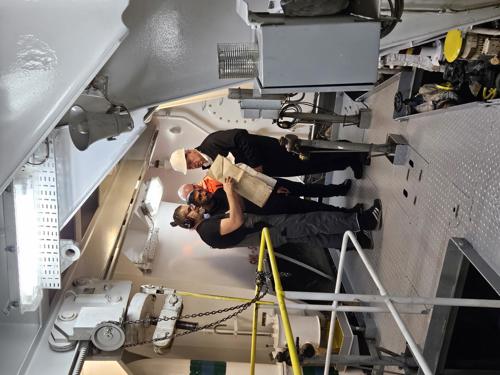
The onboard evaluation on ELBE HIGHWAY in Bremerhaven was carried out by a joint team, combining specialists from DESMI’s OptiSave team with representatives from ELBE HIGHWAY. The purpose of the visit was to verify the current system configuration in real operating conditions, review key operational parameters, and confirm how OptiSave is integrated with auxiliary systems and control interfaces.
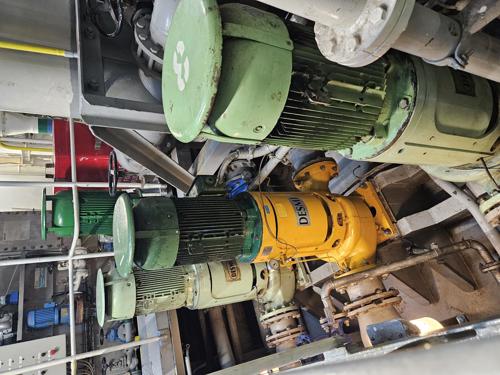
Being onboard made it possible to review equipment, documentation, and operational data in the engine room that is difficult to assess remotely. The team inspected relevant connections and signals, checked the setup against available drawings and manuals, and observed OptiSave during practical operating scenarios to understand how it behaves in day to day use. The evaluation concluded with a documented overview of the current setup and a set of findings, including any identified faults, optimization opportunities, and potential upgrade needs, to guide the next project steps.
What happens next
With the onboard evaluation completed, the project moves into a phase where the findings are translated into a tailored optimization plan. This work focuses on refining configuration where needed, addressing any identified issues, and defining any upgrades required to support stable operation and the intended performance.
In parallel, the documented baseline from ELBE HIGHWAY is used to guide how the next implementations are approached. The plan is to integrate OptiSave across four vessels in total, using the ELBE HIGHWAY experience to clarify data requirements, integration points, and the practical steps needed for a smooth implementation on each vessel.
Conclusion
The work on ELBE HIGHWAY established a clear baseline for the delivered OptiSave setup and confirmed how the system performs and integrates under real onboard conditions. With the evaluation documented and the next actions defined, the project is positioned to move from assessment to targeted optimization and structured implementation activities.
If you would like to understand what an onboard OptiSave evaluation typically covers, or discuss how OptiSave can be applied on a specific vessel or across a fleet, reach out to the OptiSave team for an initial dialogue and a technical walkthrough.


